Utilizing Key Development Managers Right
Learn How a GC Can Improve Performance and Success in Your Building Endeavors
A general contractor is vital in the construction industry. Their expertise makes managing projects easier, leading to improved performance and project success. By facilitating dialogue among project participants and utilizing their network with subcontractors, they help navigate the complexities of construction work. Knowledge of local codes also reduces potential legal problems. This raises an important question: how do these factors interact to transform the construction process?
The Role of a Commercial General Contractor
A commercial general contractor orchestrates the complex process of construction projects, guaranteeing everything runs smoothly from start to finish. They act as the primary contact, liaising between various project participants, including clients, subcontractors, and suppliers. This role involves detailed planning, scheduling, and budgeting to meet project timelines and cost restrictions.
The contractor manages all building work, guaranteeing adherence with building codes, safety regulations, and quality standards. They are in charge of acquiring necessary permits and addressing any legal requirements related to the project. Moreover, they manage the workforce, giving jobs to skilled tradespeople while watching output and productivity.
In addition to supervising site activities, the contractor resolves any problems or delays that arise, adjusting strategies as necessary to maintain the project schedule. This thorough supervision is essential for lowering risk and guaranteeing the successful outcome of commercial building projects.
Benefits of Hiring a General Contractor
Working with a general contractor provides many benefits that can greatly enhance the efficiency and success of a construction project. One significant benefit is their expertise in managing complex projects, facilitating easier communication among various project participants. This consolidation lowers communication errors and helps avoid setbacks.
Furthermore, general contractors have existing connections with subcontractors and suppliers, ensuring timely access to high-grade supplies and skilled labor. This connection can result in reduced expenses and faster completion times.
They also bring a deep understanding concerning local construction laws and rules, which helps avoid legal issues and costly fines.
Furthermore, hiring a general read guide contractor lets clients prioritize their core business activities, instead of being burdened by daily construction management tasks. Taken together, utilizing a GC leads to a better structured, effective, and positive construction outcome, ultimately leading to a better ROI.
Core Duties in Project Management
Effective project management depends on multiple essential roles that a general contractor must copyright during the entire building phase. A primary aspect of this job involves creating a clear project scope, which details the aims, timelines, and budgetary constraints. The general contractor coordinates with different parties, including architects, subs, and suppliers, guaranteeing seamless communication and cooperation.
In addition, they manage resource distribution, overseeing workers and materials to optimize efficiency. Analyzing potential problems is also a vital duty, as the contractor must identify potential issues and develop plans to lessen their impact. Consistent tracking of progress is crucial; the contractor reviews progress made compared to project goals, modifying plans when needed to stay on track.
In addition, a general contractor ensures adherence to building laws and safety guidelines, fostering a secure work environment. Through these responsibilities, they maintain a thorough approach in project oversight, ensuring positive outcomes for construction efforts.
How General Contractors Ensure Timely Completion
While challenges in construction timelines are common, general contractors use careful planning and proactive management to ensure projects finish on schedule. They begin by developing detailed timelines that detail every stage of the project, covering major goals and completion dates. When separating the work into discrete units, they manage resource distribution well and anticipate potential delays.
Consistent tracking of work is also a vital element; general contractors evaluate the project's state against the established timeline, making modifications as required. They utilize risk mitigation, recognizing potential hurdles quickly and devising contingency plans to mitigate disruptions.
Moreover, general contractors keep solid connections with vendors and subs, ensuring that materials and labor are available at the right time. This proactive approach fosters accountability across all involved parties, resulting in a more efficient process. In the end, these methods result in greater effectiveness, minimizing the chance of cost overruns and guaranteeing that projects are finished on time.
Boosting Dialogue and Cooperation on Location

To enhance communication and teamwork at job sites, contractors put into place formalized methods that facilitate information flow among all team members. These processes often include regular meetings, defined ways to report problems, and the use of digital tools that enable immediate status reports. By setting up a system for communication, contractors ensure that all stakeholders—architects, subcontractors, and workers—are united regarding project goals and timelines.
Furthermore, promoting openness helps to address concerns promptly, minimizing the chance of misunderstandings that might cause holdups. GPs also welcome input from employees at every level, recognizing that insights from jobsite staff can considerably improve project efficiency. By prioritizing communication and collaboration, general contractors don't just simplify procedures but also enhance team morale, in the end leading to the success of building projects. The result is a better integrated workplace where challenges are met with collective problem-solving.
Commonly Asked Questions
Which Credentials Should I Seek in a GC?
When seeking a general contractor, one should focus on credentials such as licensing, insurance, a history in similar jobs, excellent recommendations, and effective communication skills. Such considerations are key to successful project execution and overall client satisfaction.
What is the Process for GCs Regarding Project Budgeting?
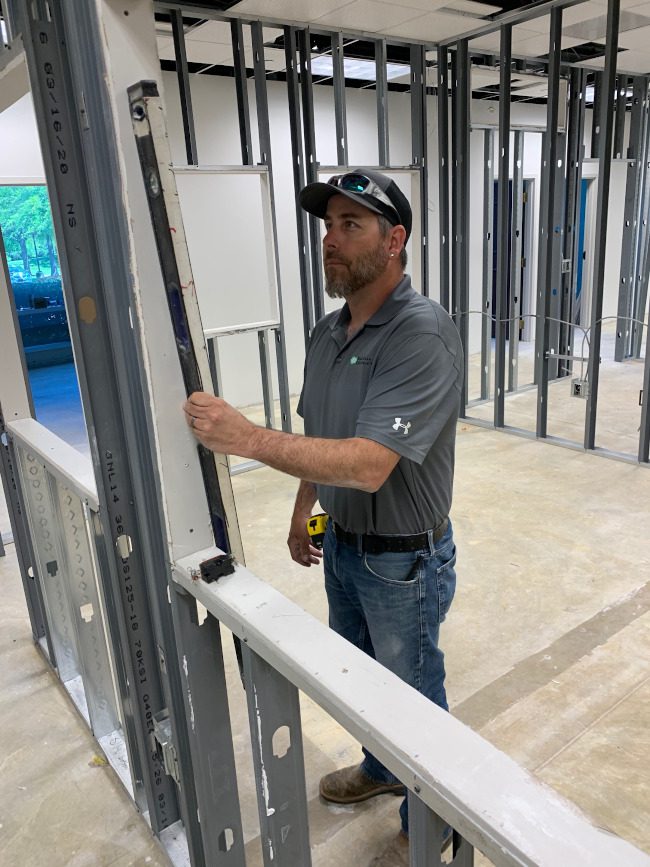
General contractors oversee project costs by estimating costs, securing bids from subcontractors, tracking expenses throughout the project, and making budget changes as required. Hickory top rated Commercial General Contractor. They make certain that money match the job's needs, boosting productivity and reducing monetary exposure
Can a General Contractor Assist With Permits and Regulations?
Yes, a general contractor can assist with permits and regulations by guiding through the complex requirements, making certain local statutes are followed, and facilitating the application process, thereby accelerating the project and reducing possible holdups for customers.
How Long Does It Usually Take for Selecting a GC?
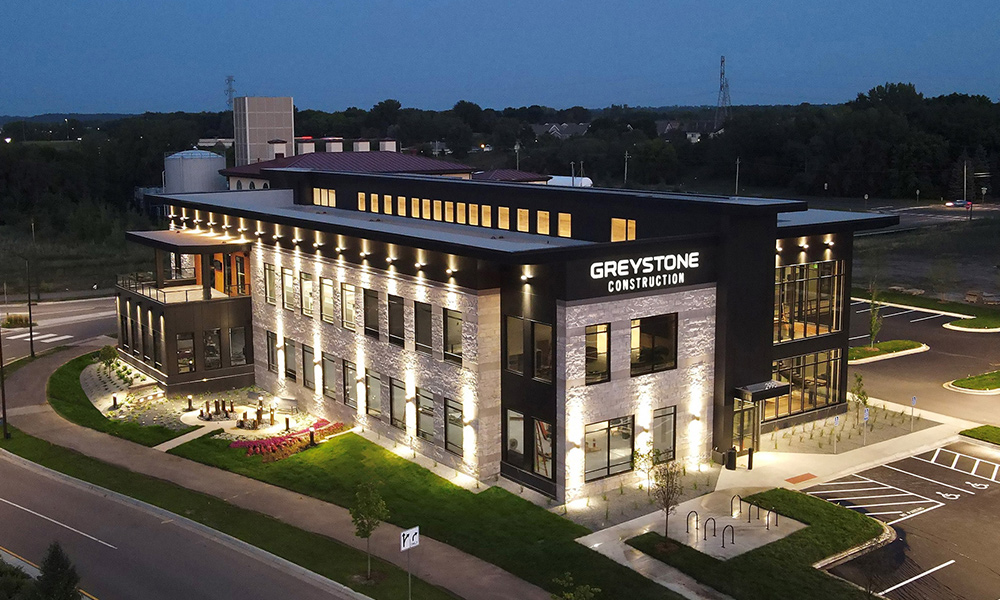
The average period for hiring a general contractor spans a few weeks to several months, contingent upon the project's intricacy, the availability of the contractor, and how quickly the client makes decisions, which ensures proper planning and alignment with the construction goals. - Hickory top rated Commercial General Contractor
- Hickory top rated Commercial General Contractor
How Do General Contractors Manage Subcontractors Effectively?
Effective management of subcontractors by general contractors is achieved by setting up clear lines of communication, clearly defining expectations, monitoring progress regularly, and managing the coordination of schedules. General contractors ensure all parties know their roles, promoting teamwork to maintain project timelines and copyright quality standards.